Tanking Slurry for Damp Walls and Basement Waterproofing
TPS installs tanking slurry systems for suitable damp walls, basements and cellars in Bath, Bristol and the surrounding area. Start with an assessment of where the moisture is coming from, the building’s construction and how you want to use the room.
Request a waterproofing survey
Is tanking the right treatment?
Water entering a below-ground wall, a leaking pipe and condensation can produce similar-looking damp patches but need different responses. The condition and construction of the walls and floor, ground levels and any existing waterproofing all matter when considering treatment.
Tanking is not automatically suitable for every damp wall. Older buildings and traditional materials need particular care, and the proposed system must suit the structure and expected water exposure. A cavity drain membrane may be another option, depending on the findings.
What is tanking in damp proofing?
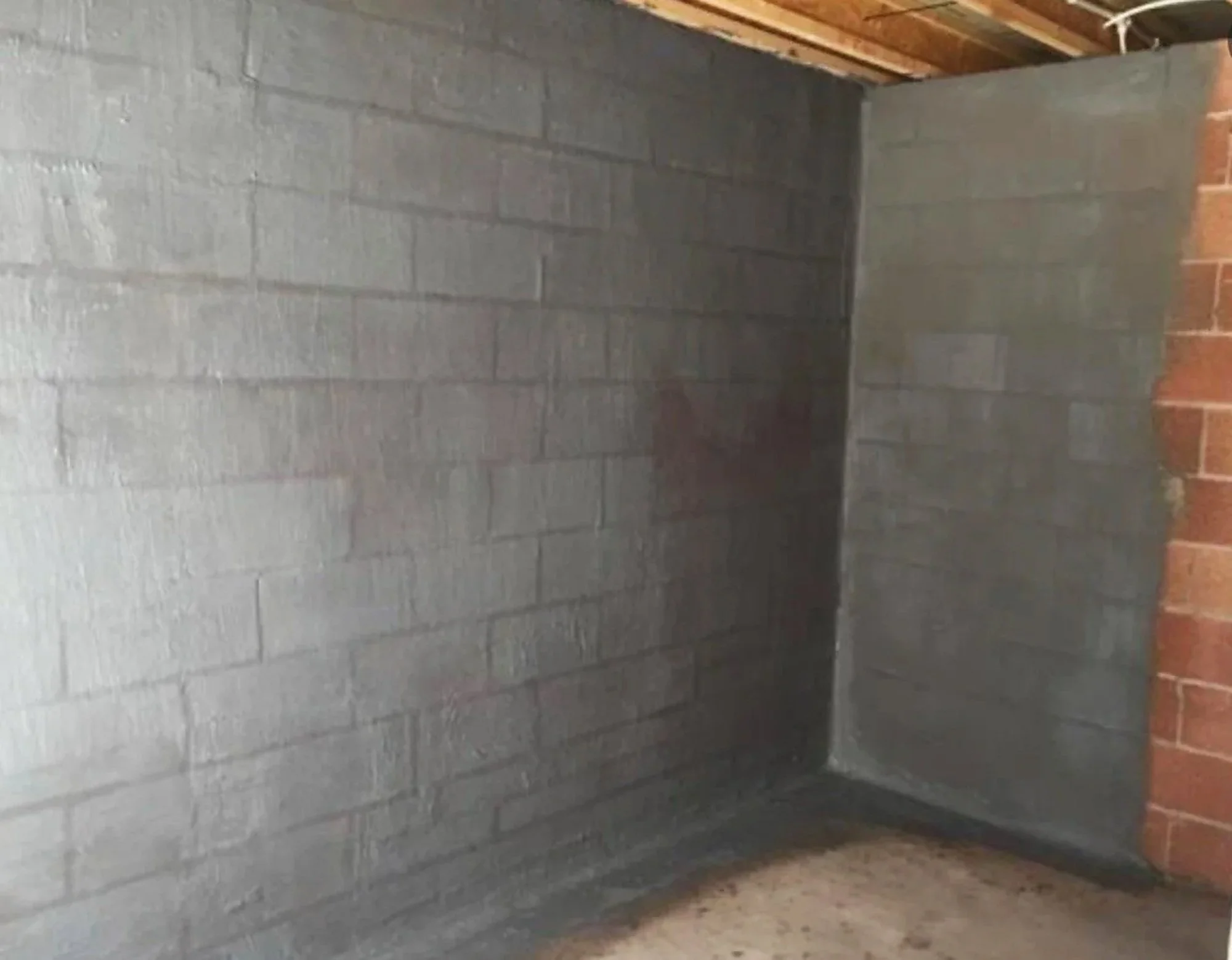
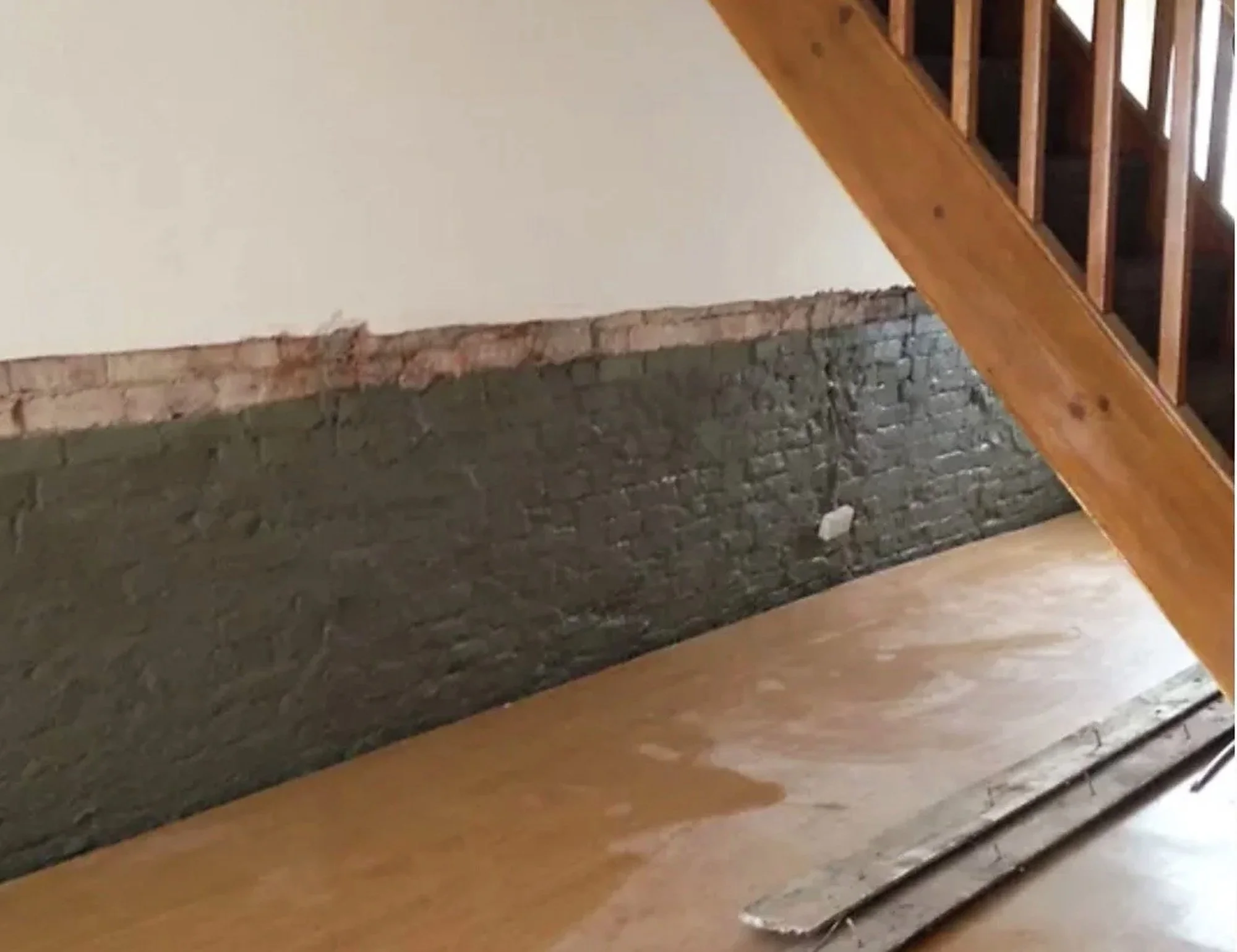
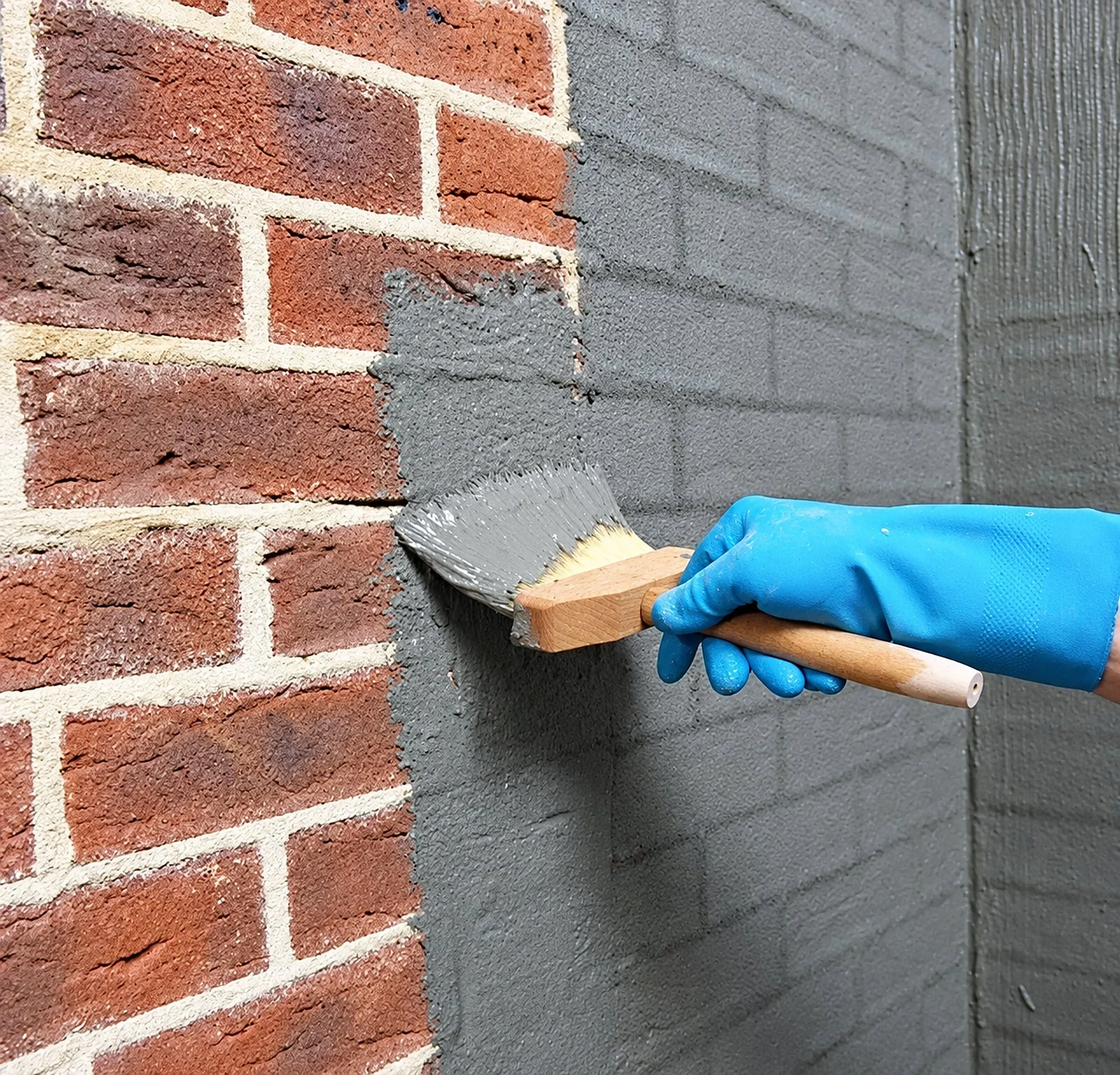
Tanking uses a waterproof coating to resist water passing through a treated wall or floor. A cement-based tanking slurry bonds to suitable prepared masonry or concrete. The walls, floor junctions and openings around pipes or cables need to be considered together; covering one damp patch may not address the whole problem.
What needs preparing?
Preparation may include removing plaster, paint and loose material, cleaning the exposed surface and making local repairs so the coating can bond properly. The required work depends on the wall or floor material and the chosen system.
Before work starts, agree which areas must be cleared and who will deal with skirtings, radiators, services and waste removal. The quotation should distinguish TPS’s work from any preparation or finishing arranged with your main contractor.
Disruption, curing and finishes
Removing existing finishes and preparing masonry can create dust and noise, and the treated area may be unavailable during the work. The time needed depends on access, preparation and the chosen system. Agree the programme for your property before work begins.
Coatings and new finishes need time to cure. Confirm which render, plaster or floor finishes are included and when subsequent work and decoration can begin. Follow advice for the actual materials used rather than assuming the room is ready as soon as the coating has been applied.
Looking after the treated area
Check before drilling or fixing through treated surfaces, as this can interrupt the waterproof barrier. Keep the specification and aftercare information for future building work. Ventilation, leaks and other moisture sources may still need separate attention.
Where TPS works
TPS provides services across Bristol, Swindon, Bath, Weston-super-Mare, Yeovil, Bridgwater, Salisbury, Trowbridge, Chippenham and Yate, and everywhere in between. Send your postcode when enquiring so we can confirm availability for your property.
Arrange a damp survey
Send TPS your postcode, photographs of the affected area and a description of when the damp appears. Tell us whether the room is below ground, what previous work has been done and how you plan to use it. Confirm the appointment arrangements, any survey fee and what the assessment or quotation will include when booking.