Woodworm and Timber Treatments in Bath and Bristol
Holes, crumbling timber or signs of decay can be worrying, but the right response depends on what is causing the damage and whether it is still active. TPS Damp Proofing provides timber inspections and remedial treatment in Bath, Bristol and the surrounding area.
Identify the problem before choosing a treatment
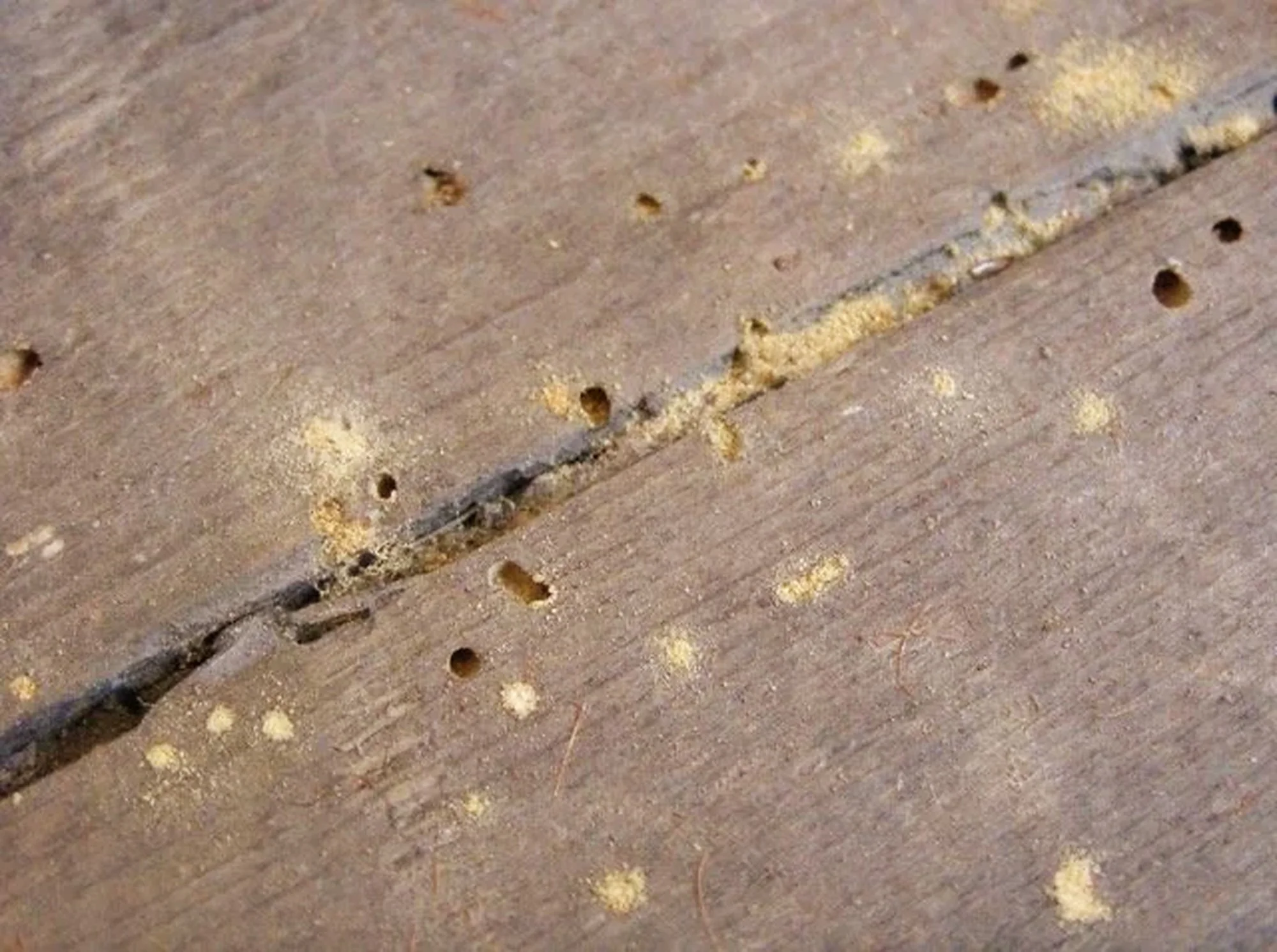
Wood-boring insects and fungal decay are different problems. An inspection needs to consider the type and extent of damage, evidence of current activity and the moisture conditions around the timber. Old flight holes do not, on their own, prove that an infestation is active or that spraying is required.
Tell us where you have noticed the damage and whether there have been leaks, previous treatments or recent building work. Photographs and earlier reports are useful, but concealed timber may need further investigation before its condition can be established.
Woodworm, wet rot and dry rot
Woodworm is a general name for damage caused by wood-boring beetles, including common furniture beetle and deathwatch beetle. Where activity is confirmed, the response should suit the insect, the affected timber and the conditions in the building. Targeted treatment may form part of that response; moisture problems also need attention.
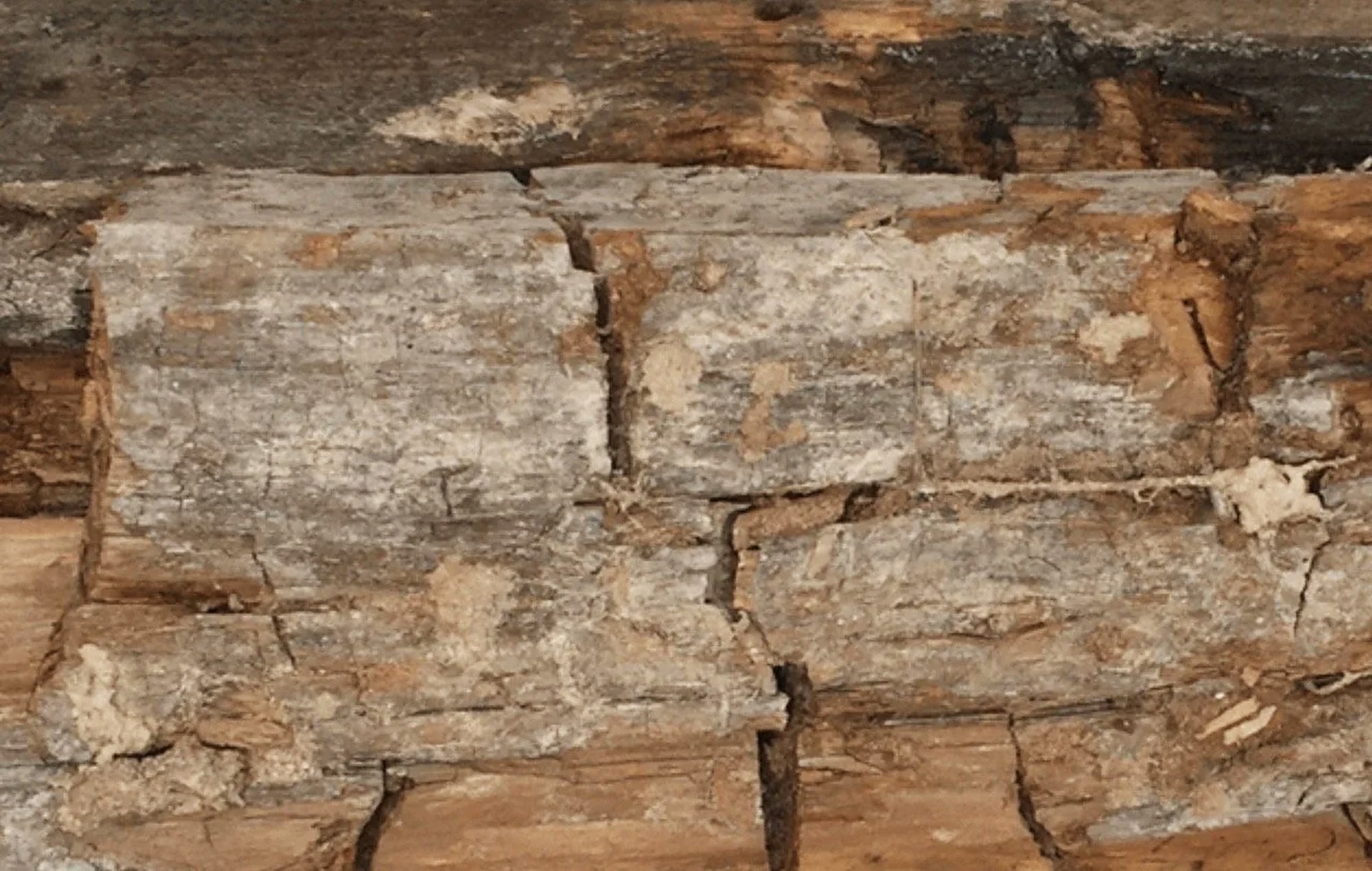
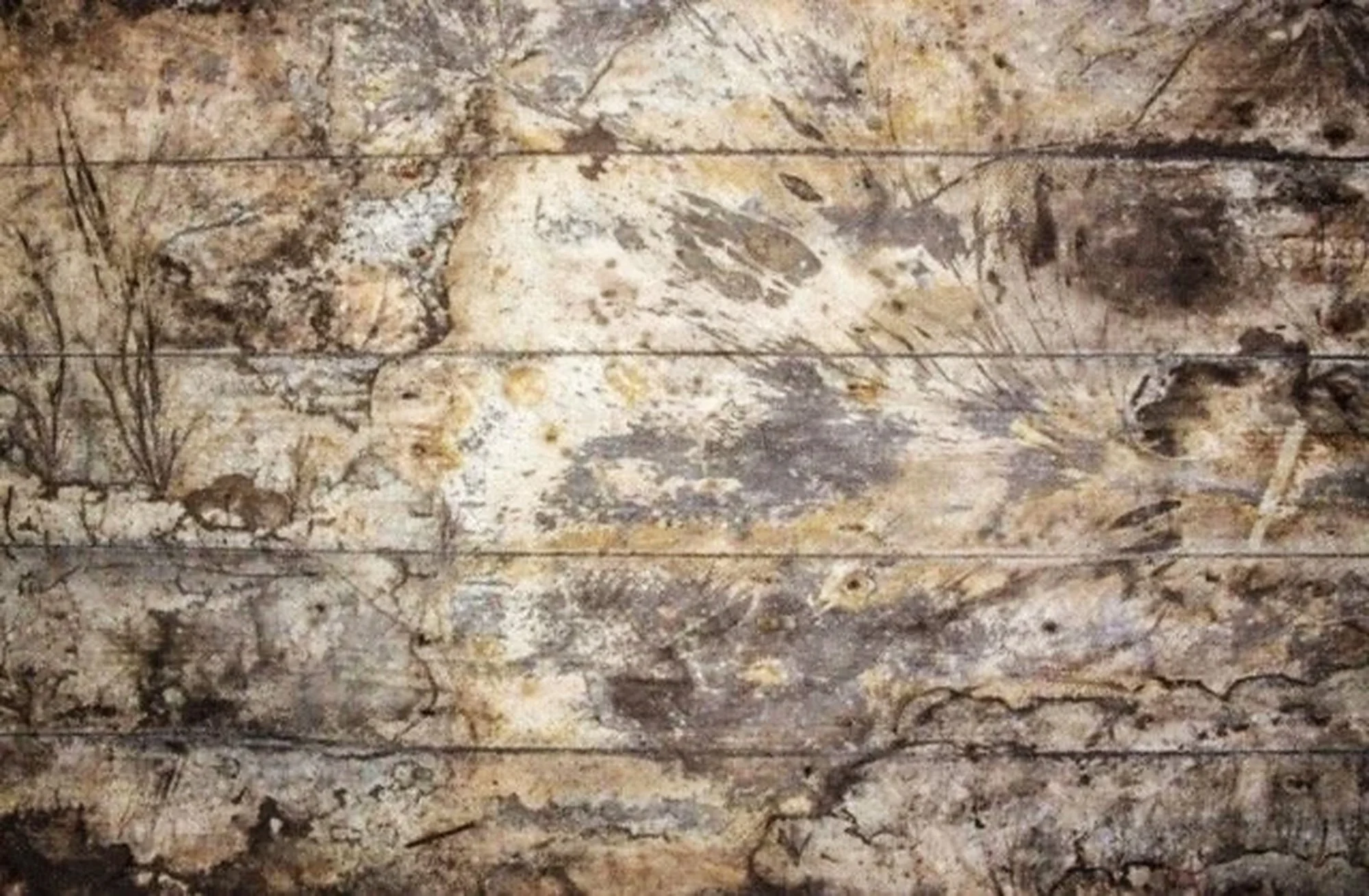
Wet rot and dry rot require investigation of the moisture source as well as the affected area. Repairing a leak or correcting another source of damp may be an essential part of the work. Applying a timber treatment does not restore strength already lost through decay.
Treatment and timber repairs
TPS carries out timber treatments. Any structural timber repairs or replacement must be undertaken by an external contractor or your main contractor; TPS does not undertake that work.
Before proceeding, agree which timbers need treatment, whether further investigation or structural work is required, and the responsibilities of each contractor. Structural concerns may need additional specialist advice.
Preparing for access
The affected timber must be accessible for inspection and any agreed treatment. Discuss loft storage, floor coverings, insulation and restricted areas before the visit or work starts. Agree who will move belongings or open up concealed areas; do not lift floors or disturb finishes without an agreed plan.
Disruption and aftercare
The preparation and access work may be more disruptive than the treatment itself. The extent depends on where the timber is located and whether building repairs are needed.
Before treatment, obtain the instructions for the product and work area, including ventilation and when people and pets may return. Follow that advice for drying and returning to the area. Keep any agreed moisture-control and maintenance measures in place after the work.
Questions before booking
Do old woodworm holes always need treatment? No. The inspection needs to establish whether activity is current and what response is appropriate.
Will a treatment repair damaged timber? No. Treatment does not restore strength already lost through decay. An external contractor or your main contractor must carry out any structural timber repairs or replacement.
Do I need to empty the whole property? Access requirements depend on the affected area. Agree the preparation for your particular job before moving belongings.
Where TPS works
TPS provides services across Bristol, Swindon, Bath, Weston-super-Mare, Yeovil, Bridgwater, Salisbury, Trowbridge, Chippenham and Yate, and everywhere in between. Send your postcode when enquiring so we can confirm availability for your property.
Arrange a timber inspection
Send us the property postcode, where the affected timber is located and photographs if available. Mention any known leaks or previous treatments. Ask us to confirm the survey arrangements, fee and what is included before booking.